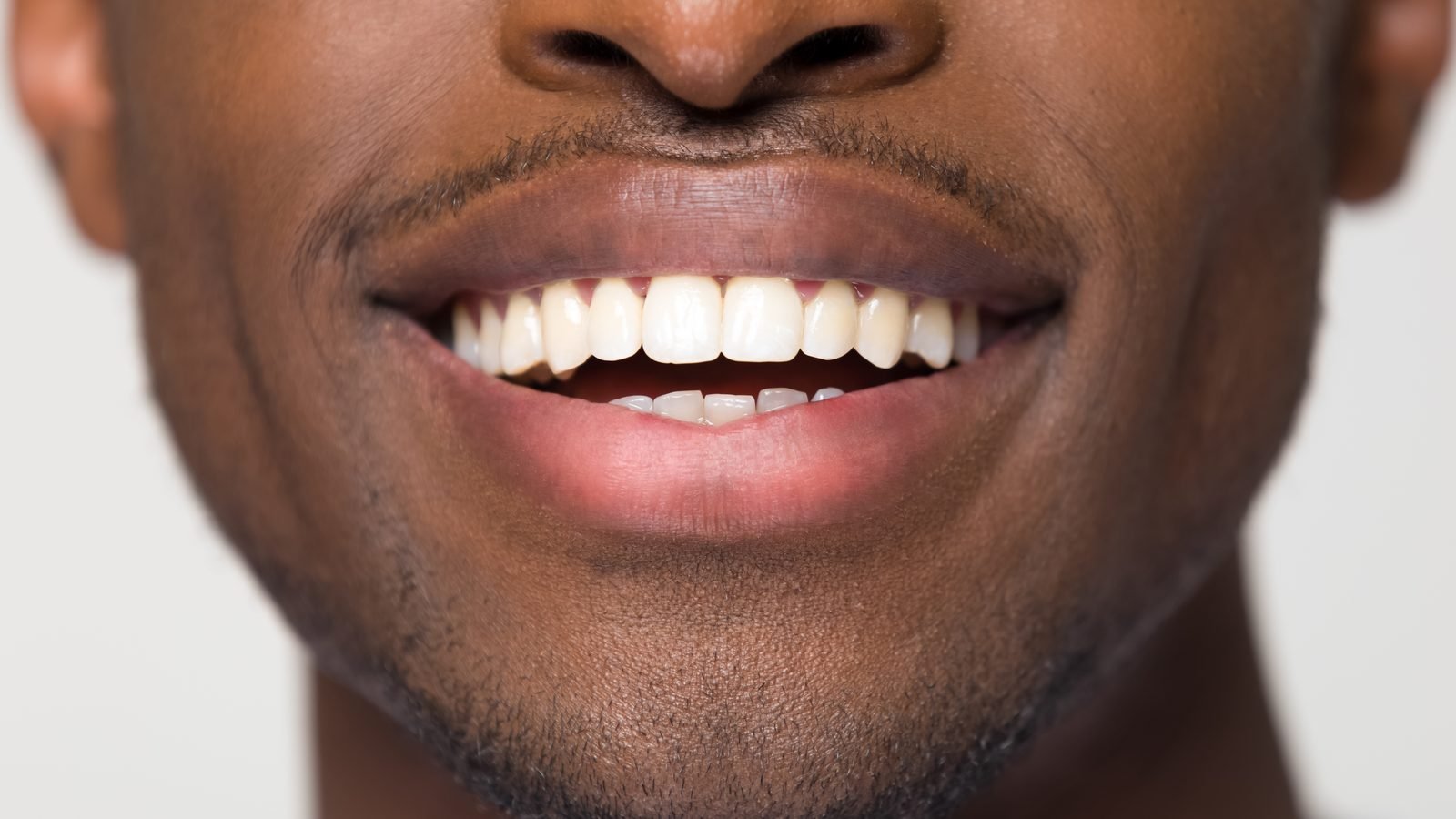
How diet affects your teeth — the science explained simply
Tooth decay begins with bacteria. Your mouth naturally contains hundreds of bacteria species, many of which feed on the sugars and starches in food and drink. When they do, they produce acids that erode tooth enamel — the hard outer layer protecting your teeth. This is called the "acid attack," and it occurs for approximately 20–40 minutes after each meal or snack.
Here's the key insight: it's not just what you eat but how frequently you eat it. Sipping a sugary drink over 3 hours causes far more damage than drinking it quickly at one sitting — because your mouth never returns to a neutral pH.
The best foods for your dental health
Some foods actively strengthen your teeth and neutralize harmful acids. These are the foods your Stouffville dental team recommends including in your diet:

Dairy Products
- Cheese — raises mouth pH and provides calcium and phosphate to remineralize enamel
- Plain yogurt — probiotics may help control harmful oral bacteria
- Milk — calcium and casein protein strengthen enamel
- Best choices: aged cheese like cheddar eaten at the end of a meal
Crunchy Vegetables
- Carrots — crunchy texture stimulates saliva and gently scrubs teeth
- Celery — high water content and fibrous texture clean tooth surfaces
- Broccoli — provides iron that forms a protective film on enamel
- Leafy greens — rich in calcium, folic acid and vitamins
Protein-Rich Foods
- Fatty fish (salmon, sardines) — rich in vitamin D, essential for calcium absorption
- Eggs — contain vitamin D and phosphorus for strong enamel
- Lean meats — phosphorus supports tooth and bone health
- Nuts — calcium, phosphorus, and healthy fats in a low-sugar package
Water & Hydration
- Plain water — the single best drink for dental health
- Fluoridated tap water — provides continuous low-level enamel protection
- Drinking water after meals — rinses away acids and food particles
- Staying hydrated — supports healthy saliva production
Ending a meal with a small piece of cheese is one of the most evidence-backed dietary habits for dental health. Cheese raises the pH in your mouth, neutralizing meal-related acids almost immediately. It also delivers calcium and phosphate directly to your enamel. A simple habit — powerful results.
Foods and drinks that damage your teeth
These foods cause the most damage to dental enamel and gum health. Eliminating them entirely isn't realistic — but understanding why they're harmful helps you make smarter choices about when and how you consume them.
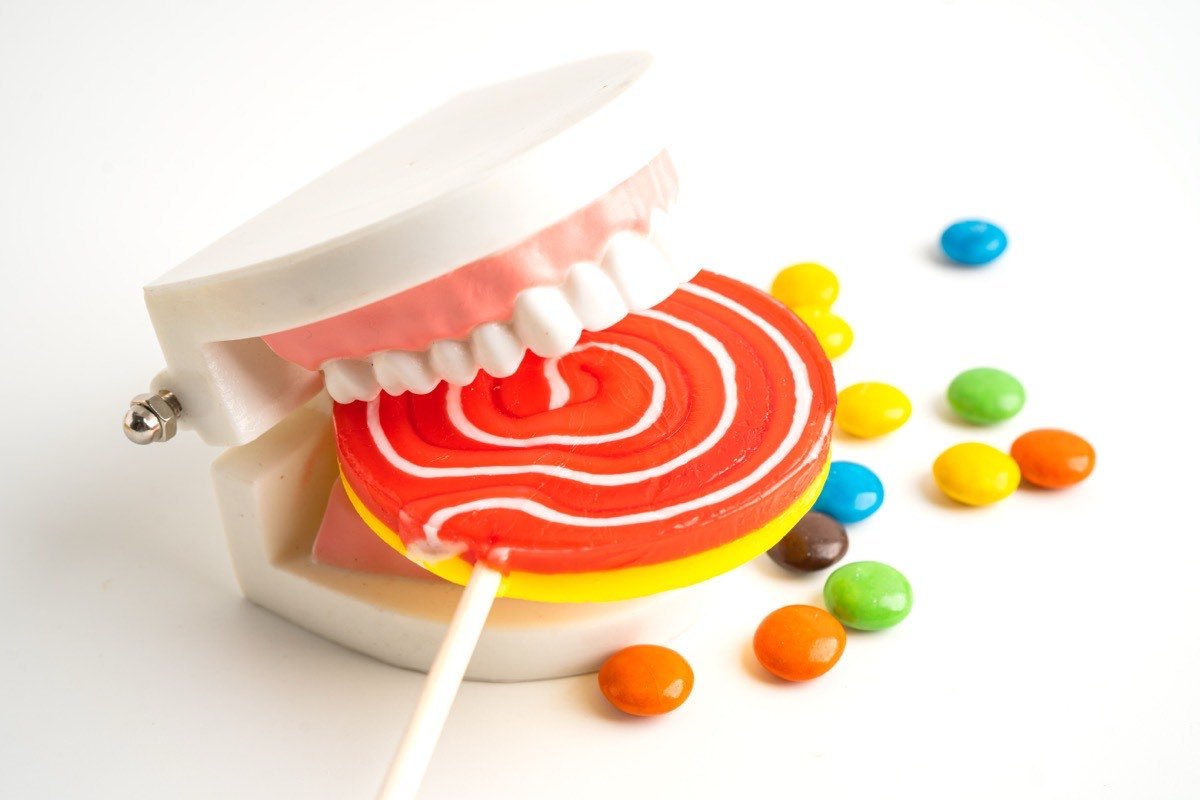
Sugary Foods
- Candy — especially sticky, chewy candy that clings to teeth for hours
- Baked goods — cookies, cakes, pastries feed decay-causing bacteria
- Flavoured yogurt — often contains as much sugar as dessert
- Breakfast cereals — many have high hidden sugar content
Sugary & Acidic Drinks
- Soft drinks (even diet) — extremely acidic, pH as low as 2.5
- Sports and energy drinks — highly acidic and high in sugar
- Fruit juice — concentrated sugar without the protective fibre of whole fruit
- Flavoured coffees and teas — often loaded with added sugar
Acidic Foods
- Citrus fruits — highly acidic; rinse with water after eating, don't brush immediately
- Tomatoes and tomato-based products — acidic pH erodes enamel
- Vinegar — including in salad dressings and pickled foods
- Kombucha — despite health benefits, has very acidic pH
Staining Foods & Drinks
- Coffee — stains enamel and dries out the mouth
- Red wine — highly acidic and pigmented; notorious for staining
- Tea (especially black) — tannins cause significant staining
- Berries — highly nutritious but intensely pigmented; rinse after eating
Sipping acidic or sugary drinks throughout the day — coffee, juice, sports drinks — is one of the most damaging habits for your teeth. Each sip extends the acid attack, preventing your mouth from recovering. If you drink these beverages, drink them with meals or quickly through a straw (positioning it toward the back of your mouth), then rinse with water.
Practical dietary tips from your Stouffville dental team
- Drink water — especially fluoridated tap water — as your primary beverage
- Limit snacking between meals to reduce the frequency of acid attacks
- End meals with water, plain cheese or sugar-free gum to neutralize acids
- If you drink acidic or sugary beverages, do so quickly and rinse with water after
- Wait 30 minutes after eating acidic foods before brushing — acids soften enamel temporarily
- Choose whole fruit over fruit juice — the fibre slows sugar absorption and stimulates saliva
- Chew sugar-free gum (xylitol-containing) after meals when brushing isn't possible
- Stay hydrated throughout the day — dry mouth dramatically increases decay risk
A note on sugar-free and "diet" options
Sugar-free products are better for teeth than their sugared counterparts from a decay perspective — but "sugar-free" doesn't mean "acid-free." Diet sodas are still highly acidic (often pH 3–4) and erode enamel even without sugar. Sugar-free gum sweetened with xylitol is a genuinely beneficial option — xylitol actively inhibits the bacteria that cause tooth decay and stimulates saliva flow.
Diet & Dental Health FAQ
What foods are worst for your teeth?
+The most damaging foods are sticky sweets (toffee, gummy candy), carbonated soft drinks, sports and energy drinks, fruit juices, highly acidic foods like citrus and vinegar, and foods that dry out the mouth. Frequency matters as much as quantity — constant snacking on even mildly sugary foods causes more damage than occasional treats eaten with meals.
Is fruit bad for teeth?
+Whole fruit is generally healthy for teeth — the fibre content stimulates saliva, which neutralizes acids, and the chewing action helps clean tooth surfaces. However, fruit juice removes the protective fibre and concentrates the sugar. Dried fruit is high in sticky, concentrated sugar. Acidic fruits like oranges and pineapple should be followed by a water rinse.
Can I brush my teeth immediately after eating?
+Wait at least 30 minutes after eating — especially after consuming acidic foods or drinks. Eating temporarily softens enamel, and brushing immediately can scrub away the softened layer. Rinsing with water immediately is safe and helpful. After 30 minutes, your saliva will have re-hardened the enamel and it's safe to brush.
Is coffee bad for your teeth?
+Coffee stains enamel and is slightly acidic. Plain black coffee causes less damage than sweetened or flavoured coffees. The biggest issue is sipping coffee slowly over hours — this extends the acid exposure time significantly. If you drink coffee, try to consume it within a set window and rinse with water afterward. Drinking through a straw (when practical) also reduces contact with teeth.
Does cheese really protect your teeth?
+Yes — aged cheese is one of the most evidence-backed foods for dental health. It raises the pH in your mouth (neutralizing acids), provides calcium and phosphate that help remineralize enamel, and contains casein protein that strengthens tooth structure. Eating a small piece of cheese at the end of a meal is a simple, effective protective habit.