
Why children's dental health matters — more than most parents realize
Many parents assume baby teeth don't matter much because they'll fall out anyway. This is one of the most common — and costly — misconceptions in children's oral health. Baby teeth are critically important: they hold space for permanent teeth, support speech development, enable proper chewing for nutrition, and decay in baby teeth can directly affect the development of permanent teeth growing beneath them.
Your child's dental milestones — age by age
0–12 months: The beginning
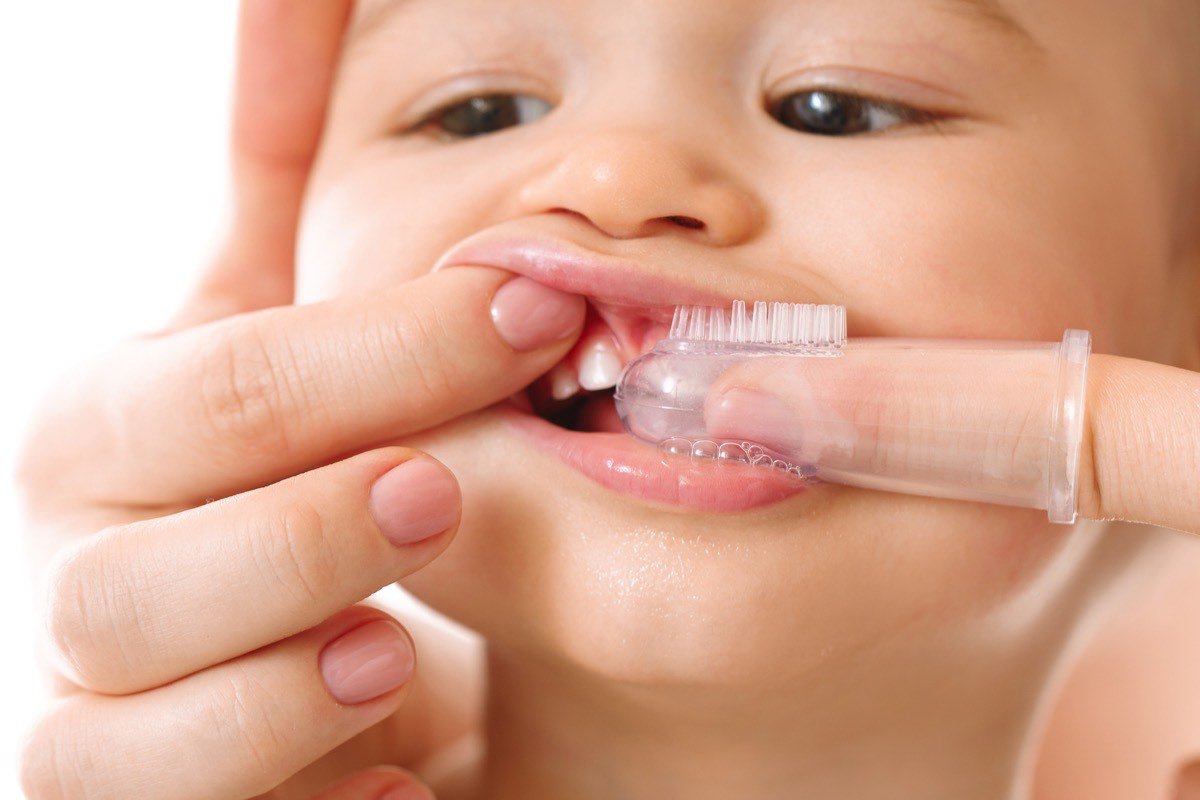
The first baby teeth typically appear between 6–10 months. Even before teeth arrive, you should gently wipe your baby's gums with a clean, damp cloth after feedings. Once the first tooth appears, schedule your child's first dental visit within 6 months — or by their first birthday, whichever comes first.
This first visit is short, gentle, and designed to familiarize your child with the dental environment. Your dentist will check the emerging teeth and overall development, while our dental hygienist will guide you on infant oral care and early cleaning habits.
Never put a baby to sleep with a bottle of juice, milk or formula. Prolonged contact with natural sugars is a leading cause of early childhood tooth decay — sometimes called "baby bottle tooth decay."
1–3 years: Building habits early
This is when habits form. Begin brushing with a smear of fluoride toothpaste (the size of a grain of rice) as soon as the first tooth appears. At age 2–3, increase to a pea-sized amount. Brush twice daily — after breakfast and before bed — and make it a positive routine, not a battle.
4–6 years: The transition begins
Children begin losing baby teeth around age 6, when the first permanent molars also arrive. These first permanent molars are among the most important teeth in your mouth — and among the most cavity-prone. Dental sealants applied now can prevent up to 80% of cavities in these critical teeth.
Help your child brush until they can tie their own shoelaces — fine motor skills needed for both tasks develop around the same time.
7–12 years: The mixed dentition phase
Children have a mix of baby and permanent teeth during this stage. Orthodontic concerns often become visible — spacing issues, crowding, crossbites — making this an important time for an orthodontic screening at your Stouffville dental clinic.
13–18 years: Teens and dental risk
Teens face some of the highest cavity rates of any age group, driven by dietary choices (energy drinks, sports drinks, frequent snacking), irregular brushing, and the arrival of wisdom teeth (typically age 17–21). Regular checkups remain essential. Sports mouthguards are strongly recommended for any contact or high-impact sport.
White spots on teeth (early decay), complaints of tooth pain, difficulty chewing, crowded or crooked teeth, bleeding gums during brushing, and thumb-sucking past age 4 — all warrant a visit to your Stouffville dentist sooner rather than later.
Fluoride and children: what Stouffville parents need to know
Fluoride is one of the most effective tools in preventive dentistry. It strengthens tooth enamel — the hard outer layer of teeth — making it more resistant to the acids produced by bacteria. Fluoride is endorsed by Health Canada, the Canadian Dental Association, and the World Health Organization.
- Use a smear (0–3 years) or pea-size (3+) of fluoride toothpaste
- Professional fluoride varnish treatments at each dental visit provide added protection
- Fluoride in community water supplies in Ontario provides baseline protection for all ages
- Too much fluoride can cause fluorosis (white spots on teeth) — always use age-appropriate amounts
Dental sealants for children in Stouffville
Dental sealants are thin, protective coatings painted onto the chewing surfaces of back teeth (molars). The grooves in these teeth are perfect hiding spots for food and bacteria — too narrow for a toothbrush to clean effectively. Sealants seal these grooves, blocking decay before it starts.
- Pain-free application — no drilling or needles required
- Takes just a few minutes per tooth
- Lasts several years with normal wear
- Covered by most Ontario dental insurance plans for children
- Recommended on first and second permanent molars as they erupt
Making dental visits positive for children
Dental anxiety in adulthood often starts with a negative childhood experience. At Stouffville Dental Studio, we take a gentle, child-friendly approach from the first visit. Here's how you can help at home:

- Talk about the dentist in positive, simple language — avoid words like "needle," "hurt," or "drill"
- Read dental-themed children's books before the visit
- Role-play "going to the dentist" at home — let them examine you first
- Never use a dental visit as a threat or punishment
- Praise and reward bravery after every visit, not dental outcomes
Children's Dental Health FAQ — Stouffville Parents
When should my child first see a dentist in Stouffville?
+By their first birthday — or within 6 months of their first tooth appearing, whichever comes first. Early visits are brief and positive, establishing healthy habits and catching early issues before they become bigger problems.
Are baby teeth really important if they fall out anyway?
+Absolutely. Baby teeth hold space for permanent teeth, support speech development, and help with nutrition. Decay in baby teeth can spread to permanent teeth developing underneath. Losing baby teeth too early can cause permanent teeth to come in crooked or crowded.
When do children need dental sealants?
+Sealants are applied to permanent back molars as they erupt — typically around age 6–7 for the first molars and 11–13 for the second molars. They create a protective coating that blocks 80% of back-tooth cavities. Application is quick, painless and usually covered by insurance.
Is fluoride safe for my child?
+Yes — fluoride is safe and effective when used in age-appropriate amounts. Use a grain-of-rice smear for children under 3, and a pea-size for age 3 and older. It is endorsed by Health Canada, the Canadian Dental Association, and the World Health Organization for preventing cavities in children of all ages.
How can I help my anxious child at the dentist?
+Prepare your child with positive, simple language — avoid scary words. Read dental books together, role-play visits at home, and never use the dentist as a threat. At Stouffville Dental Studio, our team takes a gentle, unhurried approach to make every child's visit a positive one.